The Algorithm Is Watching Your Altar

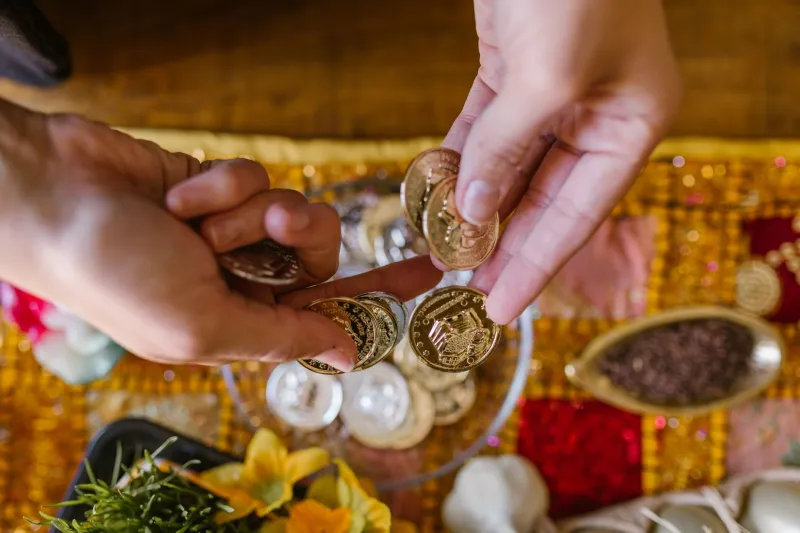
Photo by Photo by THLT LCX on Unsplash on Unsplash
Scroll through TikTok for five minutes and you will find candle spells, deity introductions, moon phase explainers, and creators whispering about goddess energy in ring light. Search Instagram and you will find altars styled like magazine spreads, tarot decks designed for the grid, and workshops sold through link-in-bio pages. WitchTok is no longer a corner of the internet. It is a neighborhood, a marketplace, and a stage.
In 2026, goddess spirituality is not a fringe search. It is a feed. That visibility has real gifts, and it also raises questions that anyone drawn to this world should be asking.
From Niche to Feed
The mainstreaming happened in stages. First came the curiosity: short videos explaining archetypes, moon rituals, and goddess mythology in sixty seconds or less. Then came the aesthetic: linen altars, dried flowers, brass bowls, and soft-focus affirmations. Then came the economy: courses, memberships, subscription circles, affiliate links, and spiritual coaching packages marketed with the same urgency as skincare launches.
For many women, especially those who grew up in households or towns where goddess talk was not welcome, this visibility is a relief. Seeing other people honor the divine feminine can crack open a door that felt sealed. A teenager in Ohio can learn about Artemis at midnight. A new mother in Texas can find a community that does not treat her intuition like a phase. That matters.
The Gift of Visibility
The obvious benefit is access. Social media has made spiritual language more available to people who do not live near a metaphysical shop, a progressive temple, or a mentor. It has also created entry points for conversations about consent, cultural appropriation, and who gets to call themselves a priestess.
There is another gift that gets less attention: permission. Watching someone else light a candle for their own becoming can give a viewer permission to take her own inner life seriously. Not everyone needs a formal tradition to begin. Sometimes a video is the first mirror.
But visibility is not the same thing as depth. A platform can introduce you to a goddess. It cannot do the slow work of relationship, study, and accountability for you.
The Cost of Performance
When spirituality becomes content, the pressure shifts. The altar becomes a set. The ritual becomes a filming opportunity. The insight becomes a hook. The question stops being what is true for me and starts being what will perform well today.
That pressure can distort practice in quiet ways. A woman might skip the messy, boring part of meditation because it does not make a good clip. A creator might overstate certainty because nuance does not travel as fast as a bold claim. A community might reward the aesthetic of healing more than the unglamorous work of healing.
There is also the matter of scale. Ancient practices were often local, relational, and slow. They were passed through mentors, families, and communities that could witness a person over time. A social platform is built for reach, not witness. It can connect you to thousands of people and still leave you without anyone who knows your actual life.
Community or Content Farm?
The best WitchTok creators do something valuable: they name sources, admit uncertainty, and remind viewers that a video is not a substitute for training or therapy. They build containers for conversation. They treat their audience like people, not metrics.
The worst turn every question into a product. They sell access to the divine through urgency. They use spiritual language to bypass consent. They claim ancient authority while refusing to name where a practice comes from. They create parasocial intimacy and then monetize the loneliness they helped intensify.
For Goddess Xuan readers, the skill to develop is discernment without cynicism. You can enjoy a creator's work and still ask: Is this person transparent about their limits? Do they encourage me toward my own authority or toward dependence on them? Do they respect closed practices? Do they make space for questions, or do they punish them?
The Spiritual Creator Economy
There is nothing inherently wrong with spiritual creators earning money. Teaching, writing, and holding space take time, labor, and skill. The problem is not payment. The problem is when payment becomes the invisible hand shaping every teaching.
A healthy spiritual economy should make room for clear pricing, honest credentials, and refund policies that do not require a public callout to enforce. It should also normalize the sentence: I do not know. A creator who can say that is usually safer than one who cannot.
For women building spiritual businesses in 2026, the opportunity is real. But the invitation is to build something that can survive being seen. If your practice only works in a highlight reel, it is not a practice yet. It is a persona.
Keep the Altar Yours
The algorithm is watching your altar. It is watching your searches, your saves, your late-night scrolls, and your moment of hesitation before you click. That does not have to ruin the magic. It just means you need a private place the platform cannot reach.
Keep something unposted. Keep a ritual you do not film. Keep a question you are not ready to answer in public. Let the internet be a doorway if it helps, but do not mistake the doorway for the temple. The goddess does not need a content calendar. She needs your attention.